The northern approach to the Transfăgărășan can be a memorable driving day from Sibiu, but it needs a flexible itinerary. The road climbs into an environment where weather and access can change the plan completely. Treat Bâlea Lake as a possible destination when the relevant section is open, not as a guaranteed stop included with a rental. Start by checking the road, the forecast and your supplier's conditions separately. Then compare Sibiu rental cars for the people and luggage travelling, allowing enough time for a comfortable return rather than trying to complete every viewpoint on a map.
Use the confirmed pickup point and intended entrance. Check current restrictions, traffic and parking before departure.
Choose what would make the day worthwhile
Decide whether your priority is the drive, a short walk near a permitted stopping point or a particular view. Those aims can lead to different turnaround decisions. A passenger hoping for a long mountain walk needs different preparation from someone who wants several brief stops, and neither plan should be silently added to the other's schedule. Discuss the limits before leaving Sibiu, including how much time the driver is comfortable spending behind the wheel.
Agree that an earlier turnaround remains a successful outcome when it responds to conditions. If the high section is unavailable, a lower viewpoint is only an alternative if its own access and stopping arrangements are suitable. Otherwise choose a different destination altogether. This keeps the decision tied to the day's purpose rather than to completing a line on a map.
Define the northern outing before drawing a full loop
From Sibiu, a northern approach normally involves travelling towards Cârțișoara and then following DN7C into the mountains. Identify the route to your intended stopping point with current navigation and official road information. The Transfăgărășan is a long road, and driving to a northern viewpoint is different from crossing the high section and continuing far down the southern side. A route that looks like a compact curve on a map can involve many hours once slower mountain driving and stops are included.
For a first visit based in Sibiu, consider an out-and-back plan with a clear turnaround point. It keeps the return understandable and lets you shorten the day if visibility, traffic or fatigue changes. If you intend a full crossing or an onward overnight stay, plan that as a separate journey with its own accommodation, fuel and return arrangements. Do not add a major continuation simply because you reach the first planned stop earlier than expected; conditions later in the day may be different.
Check seasonal access using current official notices
The high section of DN7C is subject to seasonal closure, and the road authority can impose additional restrictions. CNAIR's published closure notices illustrate why access to the high section is managed separately from the lower approaches. A historical notice explains the need for seasonal checks, but cannot establish the opening date for another year. Consult current road-authority notices and Romanian Police traffic information for the date and exact section you intend to use. Read the locations and direction carefully, because a notice affecting one segment does not describe every approach to the mountains.
Check again close to departure and obey the signs, barriers and instructions you encounter. An old article announcing a reopening, a summer photograph or a route suggested by an app is not current authorisation to pass a closure. Temporary events or conditions can interrupt access even during the broader open season. If the official information is unclear, resolve the uncertainty before leaving or choose another excursion. Reaching a barrier after a long drive should not become pressure to search for an unofficial way around it.
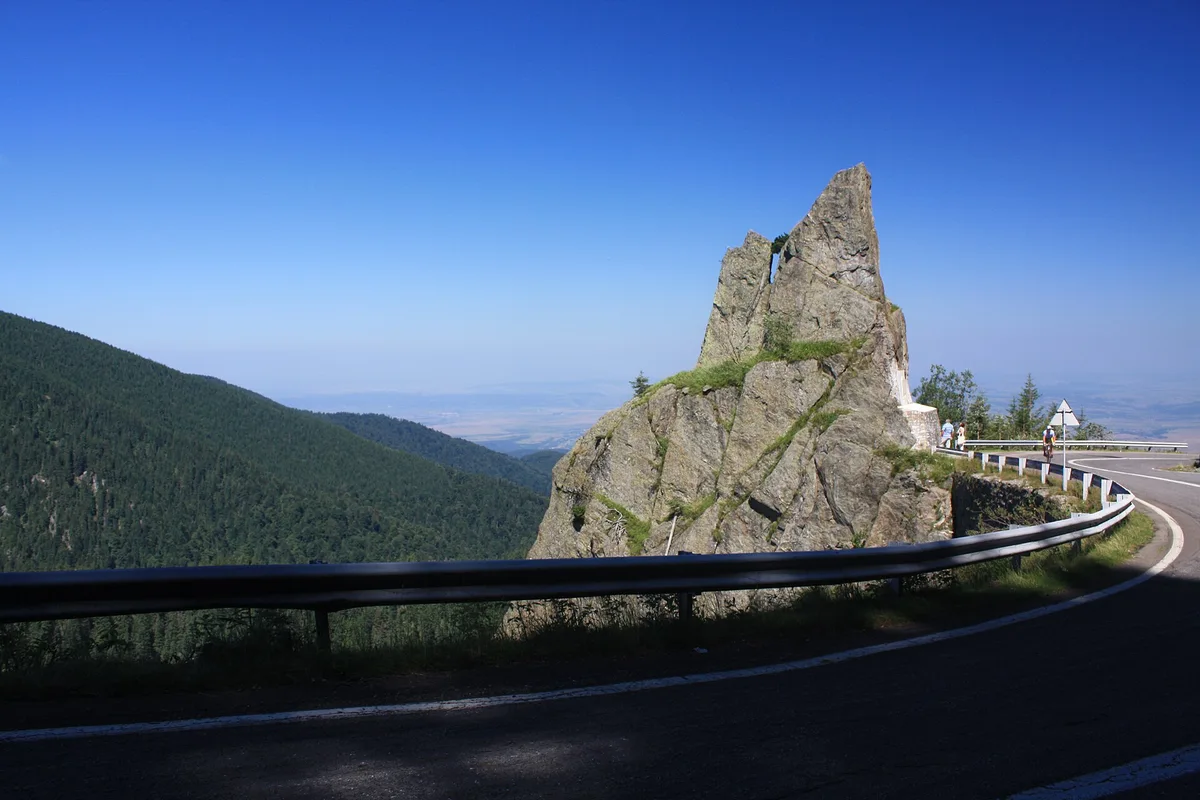
Keep rental permission separate from road access
A public road being open does not establish that every rental agreement permits every form of use there. Tell the supplier that you intend to use the surfaced northern Transfăgărășan approach and ask about relevant restrictions. Check the accepted vehicle category, seasonal equipment and assistance arrangements. If the contract restricts particular roads or uses, a route guide cannot override it. Obtain a clear answer before building the trip around a car that may not suit the intended journey.
The reverse is equally important: supplier permission does not make a closed road open or poor conditions suitable. Keep three independent checks in mind: legal road access, contractual permission and conditions appropriate to the driver and car. All three need to align. A vehicle with greater ground clearance or four-wheel drive is not a reason to bypass a barrier or turn onto an unsurfaced mountain track. The booking policy guide explains how to record route questions alongside the other conditions of the rental.
Use travel estimates as a planning range
Build the schedule from your actual starting address, the intended turnoff and a clearly chosen destination. A map's driving estimate assumes a route and conditions that may not remain valid. It usually does not include your fuel stop, photo stops, parking search, time on foot or queues at popular stopping points. Rather than promising an exact arrival, allocate a broad block for the outward journey and reserve a separate block for the return. Treat every optional stop as removable.
Set a latest sensible turnaround time before departure, taking account of daylight, weather and the driver's energy. If progress is slower than expected, shorten the visit instead of consuming the return margin. Do not pair this excursion with a tightly timed evening flight from SBZ. The airport rental guide shows how many steps sit between arriving near the terminal and completing a rental return. A mountain day is easier to enjoy when it is not also the final deadline of the holiday.
Prepare for the mountain rather than the city forecast
Conditions in central Sibiu do not reliably describe those higher on the route. Consult an appropriate mountain forecast and look beyond the temperature: visibility, wind, precipitation and the timing of deterioration matter. Pack layers and rain protection even if the city feels comfortable when you leave. Decide beforehand which conditions would cause you to turn back. A plan that can only succeed in perfect weather needs an alternative, particularly when the trip is booked well in advance.
Check the car's tyre condition and the seasonal equipment agreed with the supplier. Ask how any unfamiliar equipment is used before departure, and do not experiment with it while blocking a narrow road. Bring water, food appropriate to your group, a charged phone and offline route information. These preparations do not make the journey suitable in severe conditions; they support a sensible outing when access and weather are acceptable. If the forecast worsens, a lower-elevation visit can be the better choice.
Drive the bends with a comfortable margin
Choose a pace that allows you to respond to the road ahead, other vehicles and changing visibility. Mountain driving involves repeated steering, braking and judgement, so fatigue can build even when the distance is not large. If the car's gearbox or braking behaviour is unfamiliar, ask the supplier for an explanation before the trip and consult the vehicle guidance. Do not treat a rental day as an opportunity to test performance. The route is shared with people travelling at different speeds and with different levels of experience.
Let faster traffic pass only where it is safe and permitted, and avoid allowing a queue behind you to dictate an uncomfortable pace. Keep attention on the road rather than on the view or a passenger's phone. Ask a passenger to manage navigation where possible, or stop in a suitable place before changing the route. If a driver change would help, it must be to someone already authorised under the rental agreement. A scenic road still requires ordinary disciplined driving throughout the descent.
Choose stopping places before opening the doors
Use recognised, permitted stopping or parking areas and assess whether the car can stand fully clear of moving traffic. A gap beside the road is not automatically a safe viewpoint. Avoid stopping on bends, beside barriers where passengers cannot exit safely or in a place that obstructs other vehicles. If a popular area is full, continue to a legal alternative or reduce the visit. Parking pressure does not justify leaving the rental partly in the carriageway.
Once parked, keep children close and check the surface before unloading. Take only what you need for the walk and avoid leaving valuables visibly inside. A photograph can wait until everyone is in a safe position away from traffic. At Bâlea Lake or another stopping point, the walk, weather exposure and access conditions are separate from the drive. Do not assume that reaching a car park makes a longer mountain walk suitable for the group's clothing, fitness or the available daylight.
Keep roadside wildlife encounters uneventful
If wildlife is near the road, give it space and avoid turning the encounter into a roadside attraction. Do not feed animals, approach them for photographs or encourage passengers to leave the car. Follow official advice and any instructions at the location. A crowd of stopped cars is not evidence that stopping is safe. Keep the vehicle positioned so that you do not block the road, and move on when it is safe to do so without abrupt manoeuvres.
Store food securely and avoid leaving waste at viewpoints or parking areas. Discuss this with children before the journey so that an unexpected sighting does not lead to doors being opened impulsively. The purpose of the rental is to support a responsible visit, not to create a close encounter. When an animal, a rockfall or another obstruction affects the carriageway, respond to the actual road situation and seek official assistance where needed rather than relying on informal instructions from other visitors.
Use a practical alternative when the high road is unsuitable
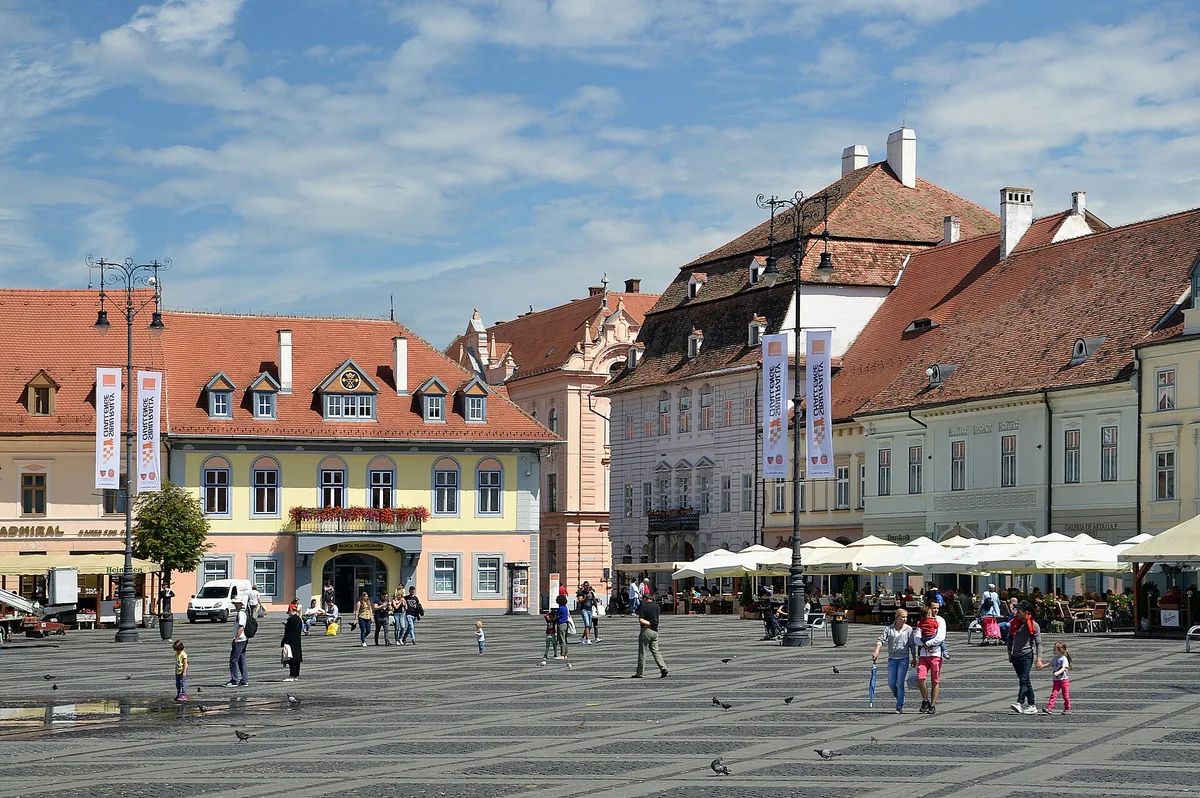
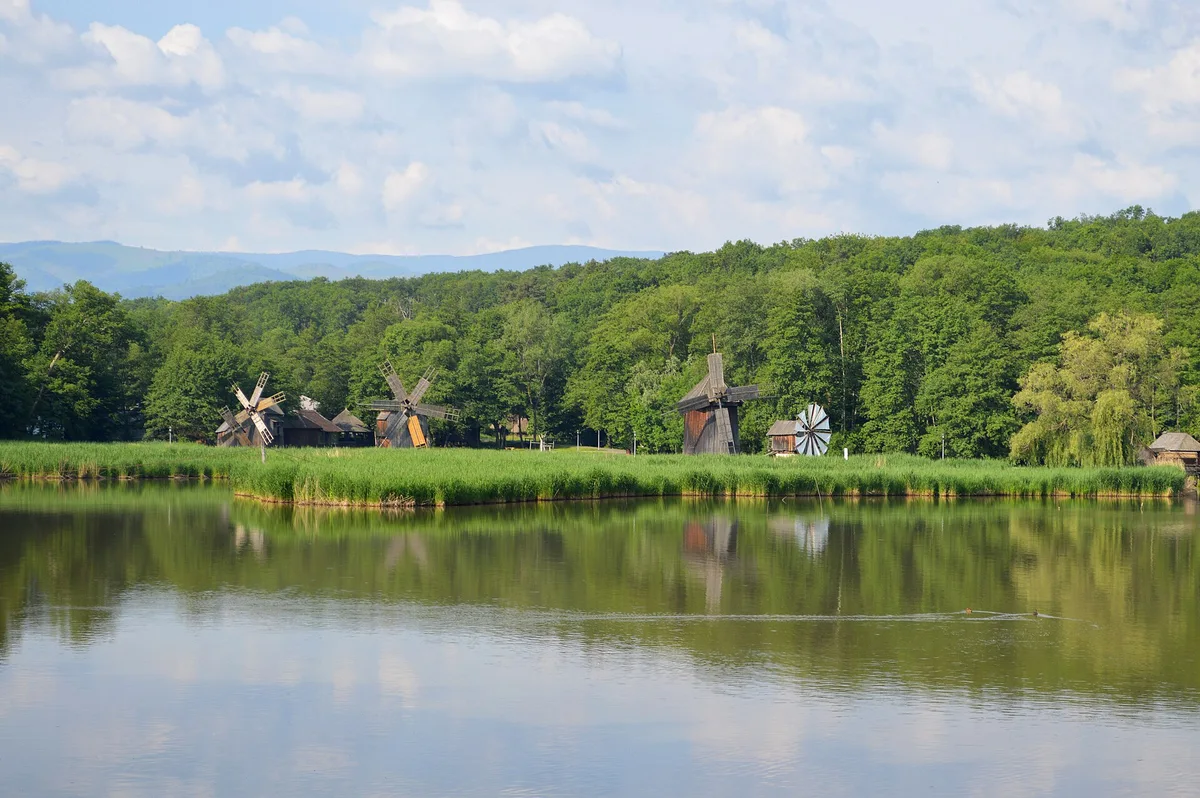
A closed or unsuitable high section does not mean the whole Sibiu stay is wasted. A visit to ASTRA Museum can provide a substantial day closer to the city, provided its own opening arrangements and the weather suit your group. Sighișoara offers a different type of outing with an urban walking visit at the destination. Check the conditions of either alternative rather than automatically assuming that a change of route removes every practical constraint.
Păltiniș is another distinct destination, not a bypass of the Transfăgărășan closure. Its approach, altitude, weather and activity operators require their own checks. Avoid substituting one mountain plan for another without considering why the first became unsuitable. If the driver is tired or the weather is poor across the region, an easier day in Sibiu may be the best choice. A flexible rental itinerary gives you permission to change the plan without needing to extract a particular photograph from every booked day.
Finish with time for fuel, parking and a calm evening
Keep sufficient fuel for the planned journey and a reasonable change of plan; do not depend on an assumed service at a mountain stopping point. Check likely refuelling opportunities before entering the higher section. On returning to Sibiu, allow time to reach the authorised parking place at your accommodation. After a long day, it is easy to make an avoidable mistake by following navigation straight into a restricted street or forgetting that a parking payment has expired.
If the rental ends the following morning, organise the return documents and confirm the handover location while you are still alert. Report any problem with the car promptly according to the supplier's procedure. Keep the evening modest rather than adding another long excursion. The successful version of this day is not the maximum distance covered; it is a route completed within the permissions, conditions and energy available, with the passengers and vehicle back where they need to be.
When a high-mountain outing does not suit the conditions, consider a separately planned Sibiu to Avrig visit focused on the Brukenthal summer residence and gardens. Confirm local visitor access; this lowland alternative is not permission to continue into mountain roads or trails.
Questions & answers
Can I drive the Transfăgărășan in any month?
Do not assume that the high section is open year-round. Seasonal and temporary restrictions apply, and the relevant section must be checked through current official information. Supplier permission and suitable weather are additional requirements. This guide does not certify access on your travel date.
Is a large SUV required?
Choose a vehicle suitable for the permitted surfaced route, conditions, passengers and luggage. A category label does not determine road access or remove the need for appropriate tyres and equipment. Ask the supplier about the intended use, and never use vehicle capability as a reason to ignore a closure.
Can I combine Bâlea Lake with my departure flight?
A tightly scheduled flight creates an unnecessary deadline for a weather-sensitive mountain outing. Prefer a separate day with room to shorten the visit and return calmly. The airport return includes fuel, inspection, key handover and terminal access as well as the road journey.
Does the map link show a safe route today?
It identifies a possible route to investigate. It does not certify current access, weather, rental permission or the suitability of a particular stopping place. Compare it with official notices and on-road signs, and choose another plan when those sources do not support the journey.