A Rășinari visit works best when the village is more than a brief stop on the way to Păltiniș. Start with the ethnographic museum’s seasonal programme, choose any literary or craft activity deliberately and arrange the car around the time you will spend on foot. This guide separates confirmed visitor information from the details that still need an appointment or an on-site check.
Make Rasinari the destination, not just a turn on the mountain road
Rășinari is a village heritage outing from Sibiu, with an ethnographic museum and a lived-in streetscape. It deserves a different plan from driving through on the way to Păltiniș. Decide whether the village is your main visit or an optional stop. That choice determines the departure time, the museum arrangement and whether a mountain continuation is realistic.
The museum address in the county tourism directory is Strada Octavian Goga 1527. Save the full institution name and address rather than simply entering “Rasinari” and following the first result. A village centre, a museum entrance, a guesthouse and the start of a walking route can lead to different arrival points. Agree the actual destination with everyone travelling.
If you are building several independent outings into the holiday, compare options in the Sibiu car rental catalogue. For a single village visit, also consider public transport or a confirmed transfer. The car is useful when its flexibility matches the itinerary; it is not a requirement for understanding the village or a reason to continue into the mountains when that was never part of the plan.
Match the museum day to its seasonal timetable
The official county listing checked on 24 November 2026 gives an October–April schedule of Monday–Friday, 08:00–16:00. For May–September it lists Wednesday–Friday, 08:00–16:00, and Saturday–Sunday, 09:00–17:00. Visits outside the published programme require arrangement. Check directly for your chosen day and any exception rather than treating summer weekend opening as a year-round promise.
This distinction changes a winter Saturday plan. A walk around public village streets and a museum visit are not the same activity, so decide which one matters most. If the museum is essential, obtain a confirmed arrangement or choose an operating weekday. Do not drive out on the assumption that someone will open the building because a group has arrived.
Use the confirmed time as the anchor for the day. Leave room for the drive, parking and finding the entrance without rushing. If an appointment is arranged, tell the museum when plans change. A flexible rental car does not make an agreed appointment flexible for the person receiving you. Keep the confirmation available with the destination details so all passengers understand the schedule.
Follow the Sibiu approach without adding a mountain commitment
The DJ106A corridor connects the Sibiu approach with Rășinari and onward travel towards Păltiniș. Use current navigation from your actual starting address, then check the final approach to the museum or meeting point while stationary. A route to the mountain resort can pass the village without delivering you to the entrance you need.
Keep the village visit separate from the road beyond it. If your party only wants heritage and lunch, there is no need to turn that into an unplanned mountain drive. The Paltinis driving guide covers the different preparation involved in continuing uphill, including the activity destination, weather and vehicle arrangements. Reaching Rășinari does not establish the conditions further along the route.
For a rental collected that morning, allow time to check the car before setting off. Put the address into navigation before leaving the handover location and become familiar with basic controls. If you miss a turn in the village, find a lawful stopping place before correcting the route. Avoid sudden manoeuvres prompted by a late instruction from a passenger or phone.
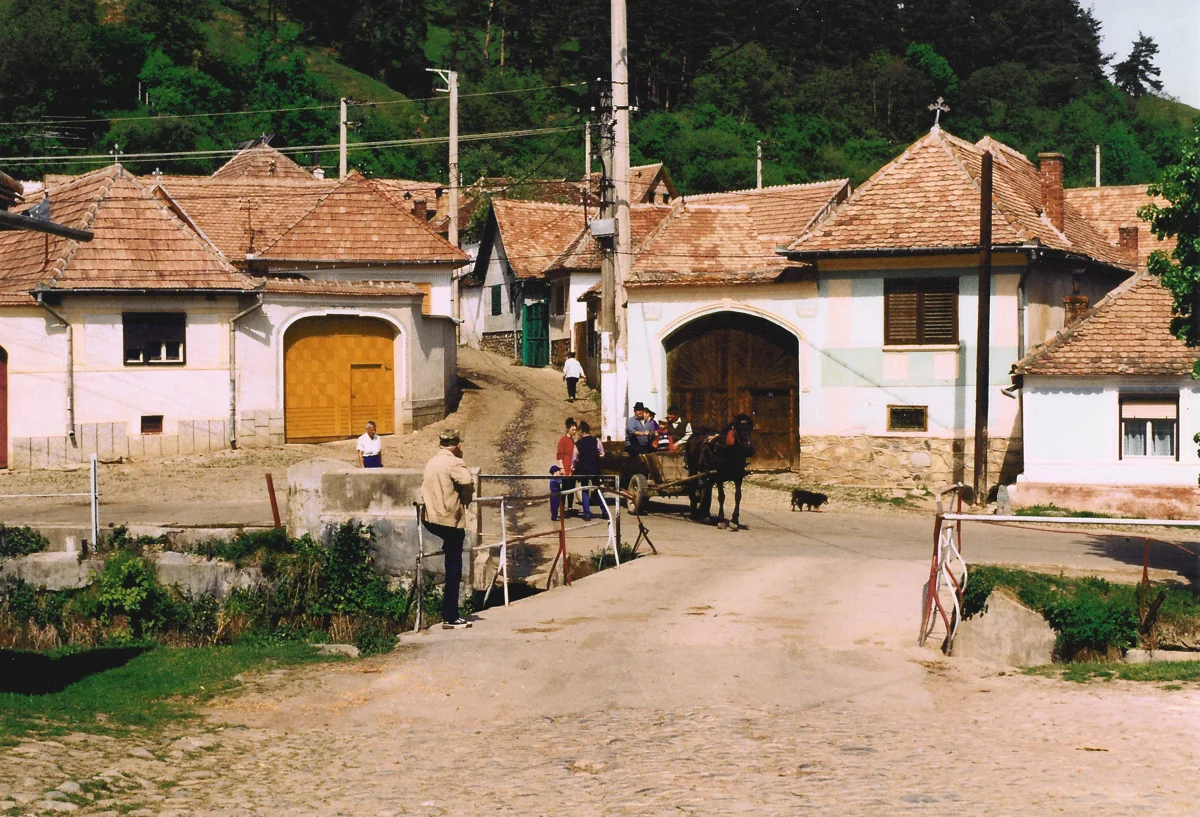
Verify the parking arrangement at the museum
The county listing marks vehicle parking among the museum’s facilities. It does not establish a guaranteed vacant bay, a current fee or a reserved place for your particular vehicle. Ask for the appropriate arrival instructions when confirming the visit, especially if the group includes someone who needs a shorter walk or space to unload equipment.
On arrival, follow the current signs and directions. A gap beside a house or a broad-looking entrance is not automatically public parking. Leave access to homes, businesses and service routes clear. If you use another authorised place in the village, note the walk back and any payment or time restrictions before beginning the visit.
Once parked, avoid moving the car between every nearby point of interest. A coherent walking circuit is easier to organise when everyone knows where it begins and ends. Save the vehicle’s location and agree a reunion point if companions separate. Take the items needed for the walk with you, while keeping valuables and travel documents out of an unattended display in the car.
Use the ethnographic museum to understand the village outside
The museum presents local clothing, household objects and traditional occupations. The county description includes resin collecting as part of the village’s remembered craft history. Rather than treating the displays as a list to finish, choose a few objects that help explain how households worked and how people used the surrounding landscape.
A useful visit can connect an indoor observation with something you notice later in the streets: the organisation of a courtyard, a building material or the relationship between domestic space and work. Let the museum’s interpretation guide those connections instead of assigning a historical function to every doorway you pass. Residents’ homes remain private even when the streetscape has heritage interest.
For children, choose a small looking task before entering: find an unfamiliar tool, compare two materials or identify something used in preparing food. These are suggested family activities, not a claim that the museum provides a particular worksheet. Keep the task simple enough that the adults can also read and look around without turning the visit into a competition to cover every display.
Distinguish a literary stop from an interior visit
The county’s cultural-tour information describes the Emil Cioran house as an exterior stop and the Octavian Goga house interior as a summer visit. Do not turn those descriptions into a promise that both houses operate as unrestricted daily museums. Ask which locations are included in any arranged tour and what access is actually available on your date.
This is particularly relevant in winter, when a literary-themed walk can still be interesting without a house interior. Decide whether the exterior and its interpretation satisfy your interest before travelling. If seeing a room or collection is the main purpose, confirm that specific access first. A famous resident’s name on a map does not by itself establish public admission.
Keep photography respectful. View exterior features from permitted public space and follow any directions from the site or guide. Avoid entering a courtyard to improve a camera angle unless access has been explicitly granted. A village heritage visit works best when the group recognises that cultural landmarks and ordinary residential life share the same streets.
Arrange a workshop before making it the centre of the day
The tourism listing describes traditional craft and food activities, as well as guided cultural visits. Treat those as experiences to enquire about, not a walk-in timetable. Ask whether the activity you want can be provided for your group, its language, duration, location and full cost. A general museum ticket does not establish a booking with a craftsperson.
For a food activity, explain dietary needs before confirming and ask what participants actually do. For a craft session, check age suitability and whether materials are included. These questions help distinguish a demonstration, a hands-on workshop and a short stop at a working premises. They can sound similar in a broad destination description while requiring different amounts of time.
Arrange transport around the confirmed activity rather than adding it to an already crowded circuit. If the session is the reason for travelling, make it the main appointment and leave the village walk flexible. A car gives you the option of a direct return afterwards; you do not need to fill the remaining afternoon with another attraction just because it appears nearby on the map.
Compare the bus and a confirmed transfer with renting
Tursib publishes route 22 information for Rășinari stops. Use the operator’s current journey information for the direction and date you need, including the return. A stop page showing departures towards Păltiniș is not the same as a timetable back to Sibiu. Avoid relying on a saved PDF or search excerpt without checking its effective date and direction.
Compare complete journeys. For the bus, include reaching the correct boarding stop and walking from the village stop to your appointment. For a transfer, confirm the pickup and return arrangements rather than assuming a vehicle waits. For a rental, include collection, parking and handback. The best choice depends on the group, the timetable and whether the car is already part of a wider trip.
A heritage tram photograph is not a current operating timetable. If a special tram experience matters to you, verify its actual departures, booking process and return before shaping the day around it. Do not use an attractive image as evidence of frequent public transport. It is entirely reasonable to choose one confirmed transport option and treat any special ride as a separate activity.
Choose between Rasinari, ASTRA and Sibiel deliberately
Rășinari offers a village context around its museum. ASTRA is a different museum outing, and Sibiel has its own icon-museum focus. They should not be combined solely because all can be described as traditional culture near Sibiu. Decide which experience the group most wants and protect enough time for it before adding another.
If you want a comparison, use the separate Sibiu to Sibiel guide and ASTRA museum guide. Compare what you will actually do on foot, the admission arrangements and the time between locations. A short driving segment can still separate two visits that each deserve a substantial part of the day.
A manageable example is a confirmed Rășinari museum visit followed by a village walk and an independently checked meal arrangement. Another is one scheduled workshop without a second museum. These are itinerary suggestions, not packaged tours or guaranteed durations. If the first activity expands, shorten the optional part instead of trying to recover the time by hurrying the drive or the visit.
Prepare for the people walking, not just the people in the car
Ask about the museum’s interior and the intended village route if anyone needs step-free access or regular sitting breaks. A listed parking facility does not establish accessibility throughout a building. Explain the particular requirement and ask for a practical arrival sequence. That is more useful than a broad question about whether the whole destination is “easy”.
Check the forecast for the time you expect to be outside. Choose footwear and clothing for a village walk, and keep a shorter version of the outing available if conditions change. Do not assume that a lower destination eliminates winter conditions, or that an indoor museum makes the entire day sheltered. The journey between the car, entrance and other stops still matters.
If one traveller prefers to remain near the museum while others walk, agree a clear meeting place and time. Avoid leaving the driver responsible for finding several people at unrelated points along the route. A compact plan makes it easier for everyone to enjoy the visit at their own pace without needing repeated car movements through the village.
End the visit with a simple return to Sibiu
Before leaving, confirm the next destination and allow time for the actual parking or handback arrangement there. Returning to a city-centre hotel, an airport supplier and another village are different journeys. Do not use “back in Sibiu” as a substitute for the location where your responsibility for the car ends.
If a museum or workshop appointment runs longer than expected, reassess the optional stops before driving. Contact the supplier in advance if a rental extension is needed and obtain confirmation; continued possession is not an agreed extension. A calm village day is easier to preserve when the return is part of the plan rather than the point at which all earlier delays become urgent.
Keep the useful details together: museum address, confirmed programme, parking instructions and return transport. Recheck the current county listing and operator information close to travel. That small amount of preparation lets you spend the visit looking at Rășinari itself, with the car supporting the day instead of determining every decision.
Questions & answers
Is the museum normally open on winter weekends?
The county listing gives Monday–Friday hours for October–April. For a weekend or another time outside that programme, obtain an arrangement directly or plan a different day.
Can I visit the Cioran house interior?
The county cultural-tour description specifies an exterior stop. Do not assume interior access; ask separately about any service offered for your date.
Must I continue to Paltinis?
No. A museum, village walk or arranged workshop can form the outing on its own. Continuing to the mountain resort requires a separate check of conditions and activities.
Is a rental car essential?
Not necessarily. Compare current Tursib route 22 journeys or a confirmed transfer with the whole rental process. Check both directions and the walk to your appointment.